Your Search Results
410 results
-
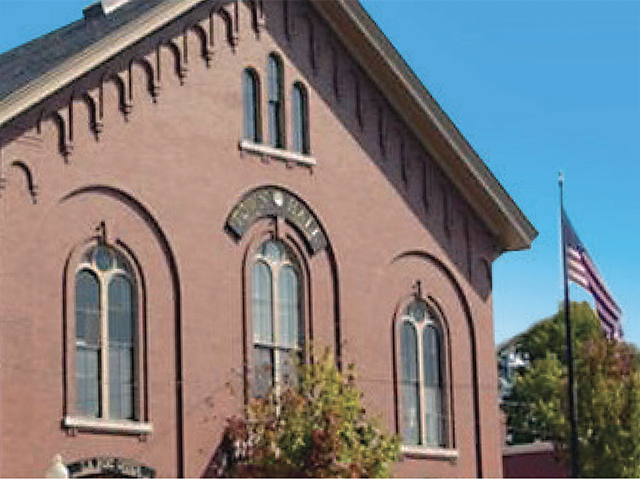 Town of Andover | Case Studies | Mass Save
The Town of Andover sought the assistance of the Sponsors of Mass Save for energy-efficient improvements included lighting systems, motors and variable frequency drives, HVAC systems and new construction and retrofit projects to help boost their efforts town-wide.
-
MA - C5.3 Commercial Existing Buildings Part 3 Alterations
This presentation will address how to determine what constitutes an alteration, while also providing an overview of how the 2023 Stretch Energy Code applies specifically to commercial alterations.
-
MA - C5.2 Commercial Existing Buildings Part 2 Additions
This presentation will address how to determine what constitutes an addition, while also providing an overview of how the 2023 Stretch Energy Code applies specifically to commercial additions, including the different requirements for both “large” and “small” additions.
-
Lawn Equipment | Mass Save
Battery-powered motors are more energy efficient, reduce carbon emissions, and typically require less maintenance than gas-powered equipment.
-
Town of Townsend | Mass Save Impact Awards | Mass Save
The Town of Townsend has made energy efficiency a priority across its municipal and school facilities, pursuing improvements at its schools, Town Hall, fire and police stations, highway department, library, and recreation center.
-
Mass Save | Demand Response & Storage
Your business can receive incentives for managing and reducing energy use during periods of peak electricity demand.
-
Mass Save | Commercial Refrigeration
Refrigeration can consume up to 50 percent of energy use in grocery stores or restaurants. By optimizing existing equipment or upgrading to energy- efficient models, your business can reduce energy use and costs