Heat Pumps
Keep your business warm in the winter and cool in the summer with clean, electric heat pumps.

Effective June 1, 2026, all commercial heat pump projects over 35 tons — including air source, ground source, and variable refrigerant flow systems — will be processed as custom projects through your electric Mass Save Sponsor. (The project size cap is based on the total heat pump tonnage for all projects by customer account as of June 1, 2026.)
Effective July 1, 2026, all commercial heat pump projects will require pre-approval prior to equipment installation. For projects over 35 tons, contact your Mass Save Sponsor before equipment installation. Your sponsor will provide application details and program requirements. For projects of 35 tons or less, a Rebate Commitment Letter (RCL) must be secured in advance and will be valid for four months.
For questions please contact your Mass Save Sponsor or [email protected].
Heat pumps are the latest technology to keep your business comfortable year-round. They’re environmentally friendly and affordable to operate.
Heat pumps work by pulling heat from the air or from underground and using it to heat the building in the colder months. Heat pumps then flow in reverse and use a refrigerant to cool your business in the warmer months. To learn more about how heat pump technologies work, explore these available training resources.
Weatherization (including insulation and air sealing) at your facility is important to help ensure proper heat pump operation. For more information on how Mass Save Sponsors can help, please visit our Building Insulation and Weatherization page.
If you're looking for a contractor to help with your heat pump installation, please visit our Heat Pump Installer Network page.
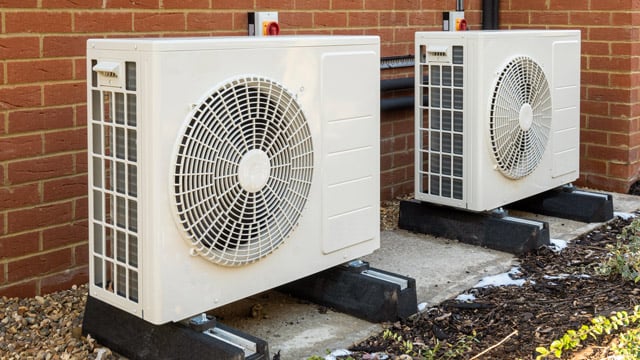
Air Source Heat Pumps
Air source heat pumps extract heat from the air outside and distribute it inside. During warmer months, this process is reversed to provide cooling. These highly efficient systems can cut your greenhouse gas emissions.
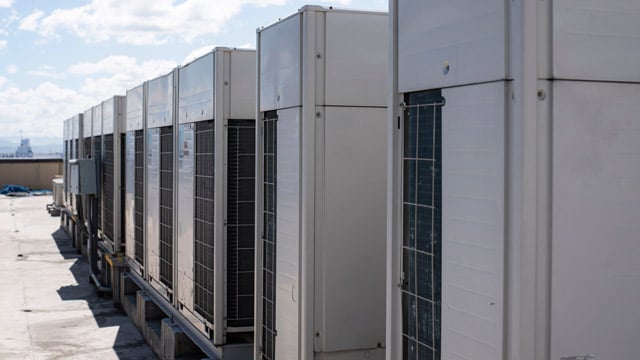
Variable Refrigerant Flow Systems
This heat pump serves as a great solution for businesses where installing ductwork is not possible. Using a single outdoor condensing unit to connect with one or more indoor air handlers, this option provides clean heating and cooling for your business.
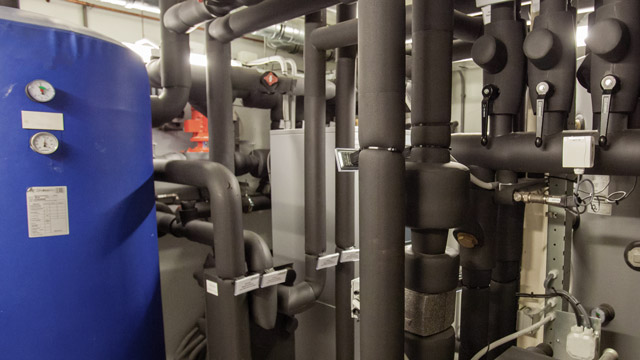
Water Source Heat Pumps
A water source heat pump uses the same concept as an air source pump for drawing out heat from the outdoor air. The difference is that it delivers the heat via water piped through the building (rather than hot air).
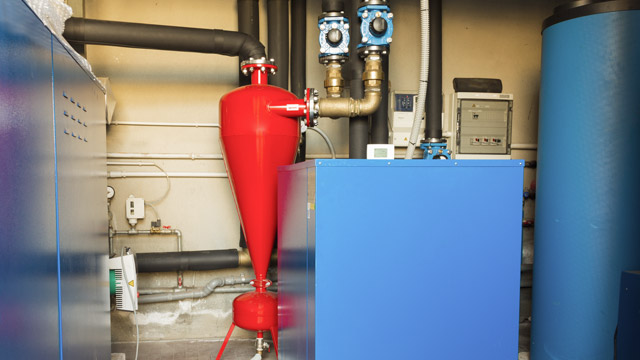
Ground Source Heat Pumps
Ground source heat pumps extract heat from the ground during cold weather and distribute it throughout your business. During the warmer months, this process is reversed to provide cooling. This system is the most efficient type of heat pump.
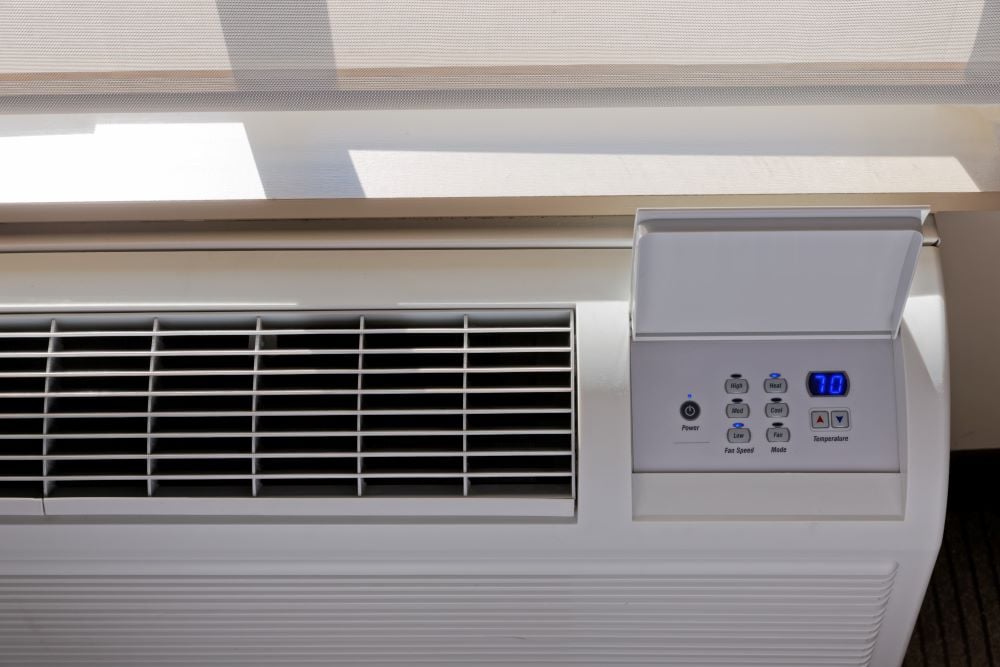
Packaged Terminal Heat Pumps
By replacing old inefficient Packaged Terminal Air Conditioning (PTAC) units with a Packaged Terminal Heat Pump (PTHP) you can reduce your building’s heating and cooling costs significantly.

Not Sure Where to Start?
Answer a few questions to discover your next steps to save energy.
C&I heat pump installers now have free access to online courses. The Mass Save Heating & Cooling Learning Center is an online learning portal that features training on technical topics, best practices, sales and marketing, and more. Register now to browse the catalog of courses.
Register Now